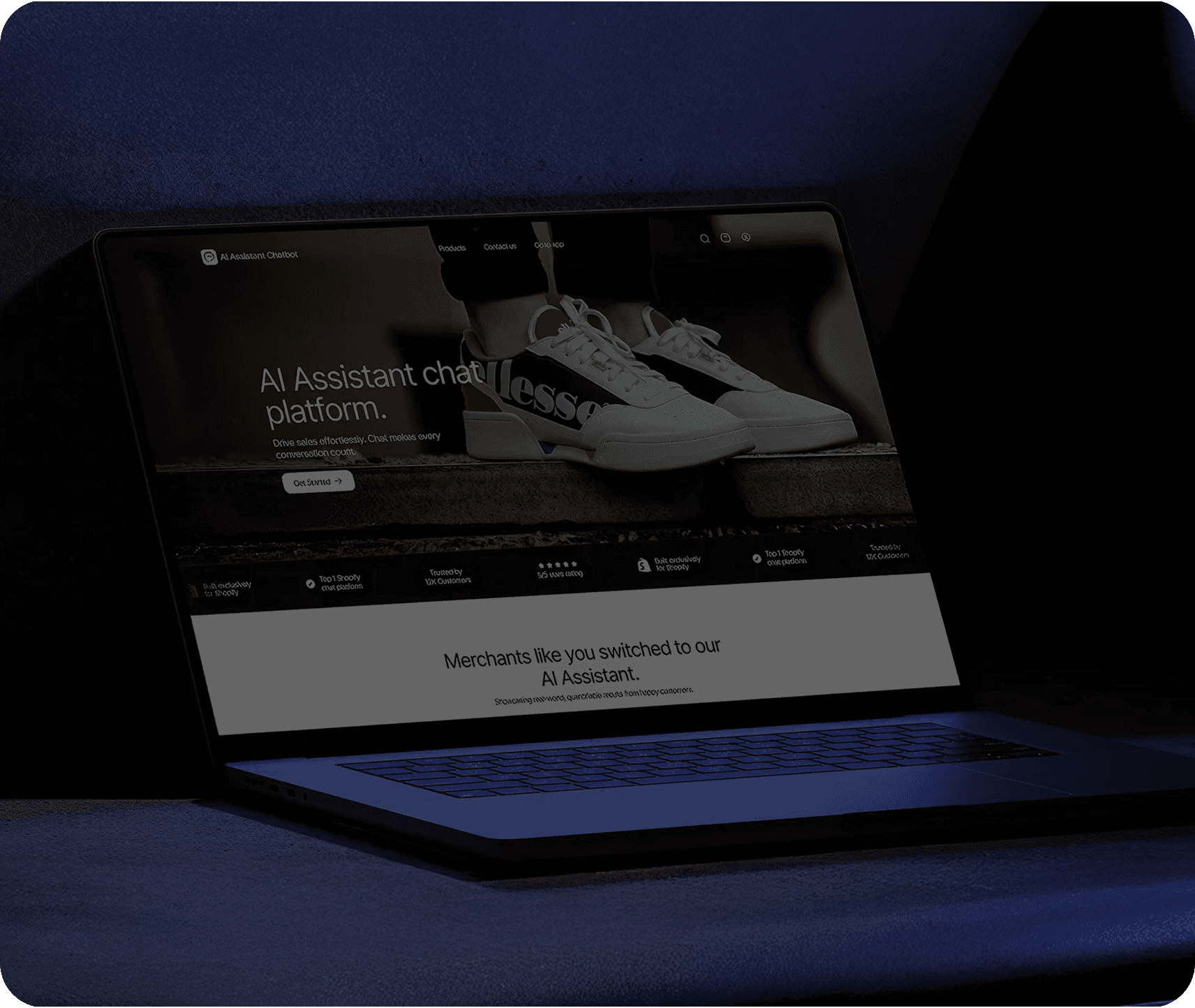
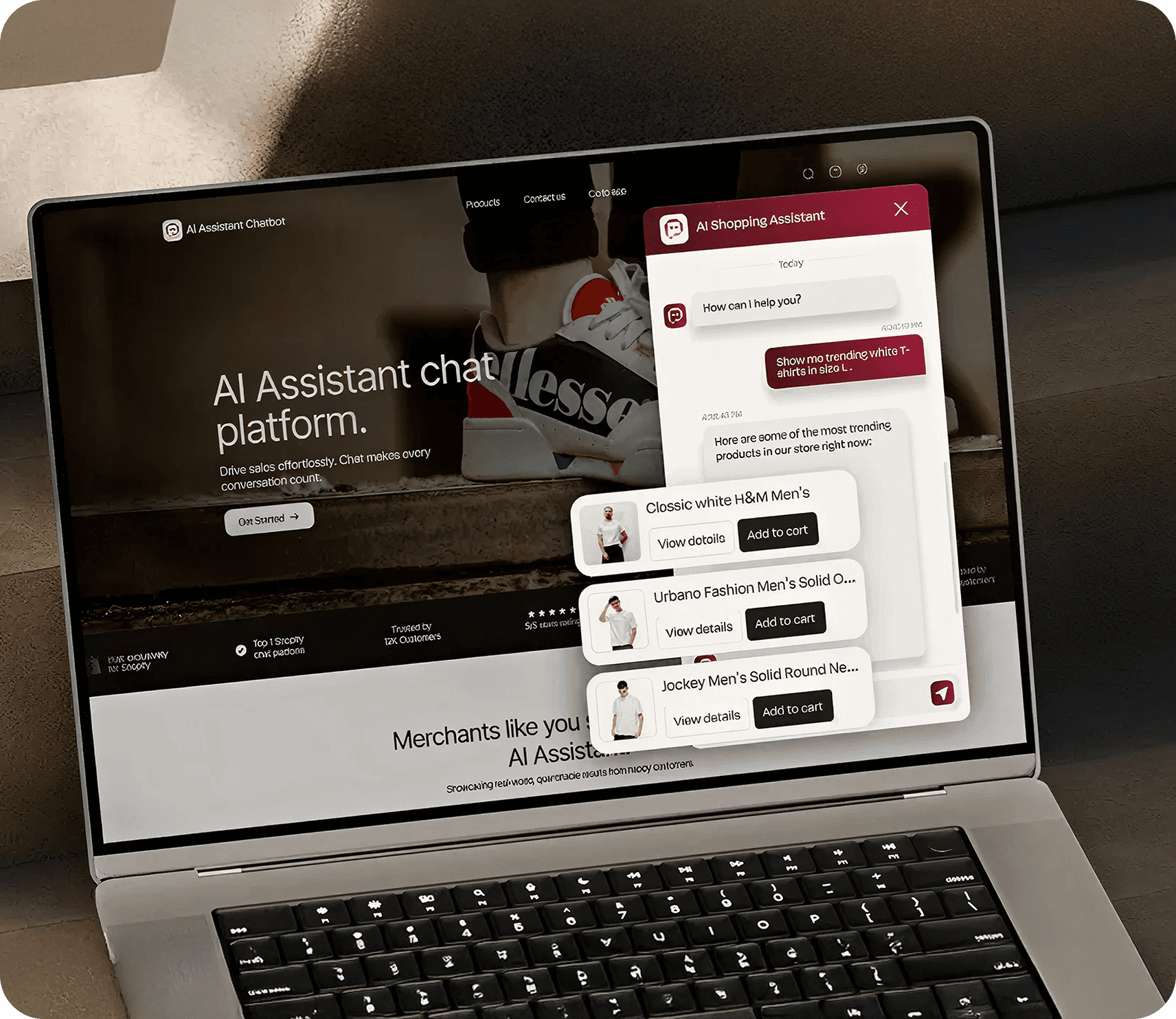
The client’s objective was to build an AI shopping assistant that could answer shopper questions instantly using data pulled directly from their ecommerce store while eliminating the need for redundant manual support. We were tasked to create a platform that could automate repetitive questions, make shopping easier for customers through simplified interactions, and speed up the buying process with quick and reliable answers. The solution also had to be simple for merchants to install and customize so the assistant could be launched rapidly without any technical hassles.
Ecommerce businesses suffered through endless repeat customer inquiries about product information, shipping details, return policies, and other common questions prior to AI Shopping Assistant. Without a better way to manage repetitive support questions, online stores relied on support teams to manage inquiries related to products, shipping, policies, or returns. Traditional chatbots were difficult to maintain and frequently delivered inaccurate support responses. Website visitors were abandoning online stores before speaking with support teams, while agents were stuck answering repeated questions.
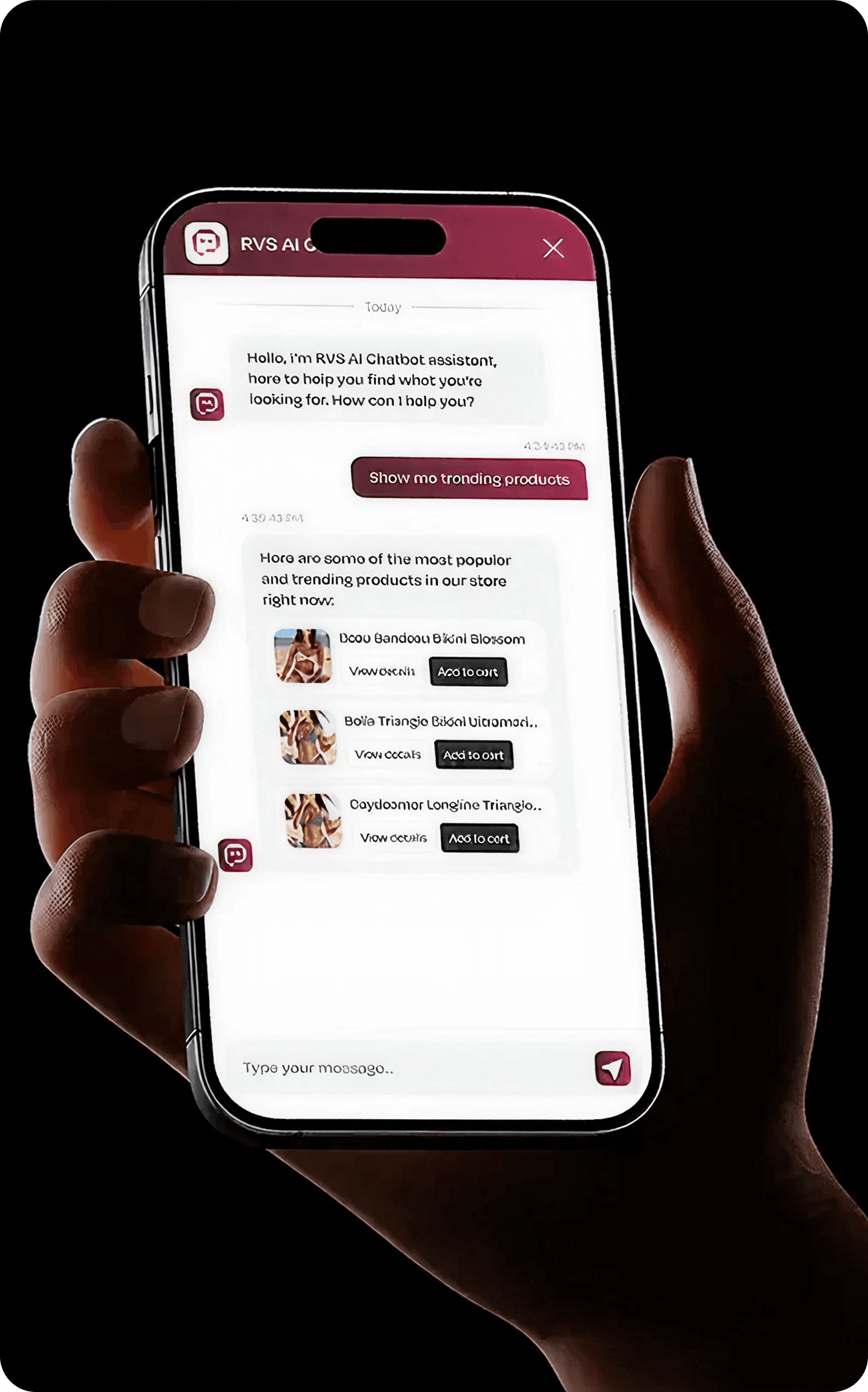
We developed a tailored AI shopping assistant that connected directly to an ecommerce store’s knowledge sources including product descriptions, informational articles, blog content, and policy pages to deliver shoppers instant and accurate responses. Product search was integrated to enable smart look-up of products throughout the conversation flow, while brand customization options were used to design the assistant’s look-and-feel. Policy controls, chat history tracking, and escalation workflows were also built in to automate support requests and streamline the shopper experience. Installation and merchant onboarding was simplified to let ecommerce businesses launch AI Shopping Assistant within minutes of setup.
Uptime Monitoring
Faster Customer Response Times
Reduction in Repetitive Support Queries
AI Assistant Deployment
Key Challenges
The existing customer support workflow was inefficient and negatively impacted response times and ecommerce conversions. Customer support teams were being inundated with repetitive questions and were unable to provide quick and accurate answers.